
Dental ImplanA Clinical & Patient-Centric Guidets & Orthodontic Treatment (Braces/Aligners)
Abstract
Dental implants are a predictable and long-term solution for missing teeth. However, the success and longevity of implant therapy depend heavily on structured post-operative follow-up. This article outlines an evidence-based follow-up protocol for dental implant patients, emphasizing patient compliance, clinical monitoring, and long-term maintenance.
Introduction
Dental implant therapy involves surgical placement of a titanium fixture into alveolar bone, followed by prosthetic rehabilitation. While implant survival rates exceed 90–95%, failures are often linked to poor follow-up, peri-implant infections, and inadequate oral hygiene.
At Caring Hands Dental Studio, standardized follow-up protocols are followed to ensure optimal osseointegration and long-term success.
Immediate Post-Surgical Follow-Up (0–10 Days)
Objectives:
- Evaluate wound healing
- Detect early infection or inflammation
- Reinforce patient instructions
Clinical Assessment:
- Soft tissue inspection
- Evaluation of pain, swelling, or discharge
- Suture removal (if applicable)
Patient Instructions:
- Adherence to prescribed antibiotics and analgesics
- Avoid chewing on the surgical side
- No smoking or alcohol
- Maintain gentle oral hygiene
First follow-up visit: 7–10 days post-surgery
Early Healing & Osseointegration Phase (1–3 Months)
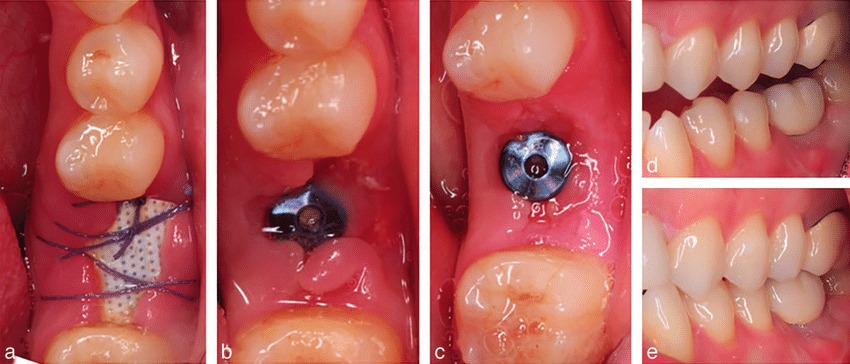
During this critical biological phase, bone integrates with the implant surface.
Follow-Up Frequency:
- Every 4–6 weeks (case-dependent)
Clinical Monitoring Includes:
- Assessment of implant stability
- Gingival health around the implant
- Radiographic evaluation when indicated
Warning signs requiring immediate consultation:
- Persistent pain
- Implant mobility
- Swelling or pus formation
Prosthetic Phase Follow-Up
Once osseointegration is confirmed, the prosthetic crown is placed.
Evaluation Parameters:
- Occlusal load distribution
- Bite alignment
- Patient comfort during mastication
Any occlusal discrepancies must be corrected to prevent implant overload.
Long-Term Implant Maintenance Protocol
⏱️ Frequency: Every 6 months
Maintenance Includes:
- Professional implant cleaning
- Assessment of peri-implant tissues
- Monitoring crestal bone levels
- Reinforcement of oral hygiene techniques
🦷 Proper follow-up significantly reduces the risk of peri-implantitis and implant failure.
Conclusion
Dental implant therapy is a shared responsibility between clinician and patient. Structured follow-up visits, combined with excellent oral hygiene, are essential for long-term implant success.