
A Clinical Guide for Optimal Treatment Outcomes
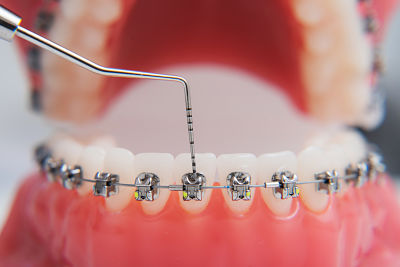
Abstract
Orthodontic therapy involves controlled tooth movement over time. Regular follow-up appointments are critical to ensure biological safety, treatment efficiency, and post-treatment stability. This article details the follow-up protocol during active orthodontic treatment and the retention phase.
Introduction
Orthodontic treatment using fixed appliances or clear aligners relies on biomechanical forces applied over extended periods. Improper follow-up can result in root resorption, periodontal damage, prolonged treatment duration, and relapse.
At Caring Hands Dental Studio, orthodontic follow-ups are conducted using standardized clinical protocols.
Follow-Up During Active Orthodontic Treatment
Visit Frequency:
- Every 3–6 weeks, depending on appliance type and treatment stage
Clinical Objectives:
- Adjustment of orthodontic wires or aligners
- Monitoring tooth movement
- Detection of appliance failure (loose brackets, broken wires)
- Evaluation of oral hygiene and gingival health
Patient Compliance Requirements:
- Strict oral hygiene maintenance
- Avoidance of hard and sticky foods
- Proper use of elastics or aligners
- Reporting ulcers, pain, or appliance damage
Missed appointments can significantly delay treatment outcomes.
Biological & Periodontal Monitoring
Regular follow-ups help identify:
- Gingival inflammation
- Decalcification or white spot lesions
- Root resorption (radiographically if indicated)
Post-Treatment Follow-Up: Retention Phase
Orthodontic relapse is a well-documented phenomenon. Retention is mandatory.
Retainer Follow-Up Schedule:
- 1 month post-treatment
- 3 months
- 6 months
- Annually thereafter
Evaluation Parameters:
- Retainer fit and integrity
- Tooth stability
- Early detection of relapse
Non-compliance with retainer wear is the leading cause of orthodontic relapse.
Long-Term Orthodontic Stability
Long-term success depends on:
- Lifelong retainer use (as advised)
- Periodic dental evaluations
- Maintenance of periodontal health
Conclusion
Orthodontic treatment does not end with appliance removal. Structured follow-up during active therapy and retention ensures stable, aesthetic, and functional outcomes.